Napa Valley’s history is deeply intertwined with the indigenous Patwin people, Spanish colonists, and Mexican ranchers. The region’s fertile lands and mild climate have made it a natural gathering place for thousands of years.
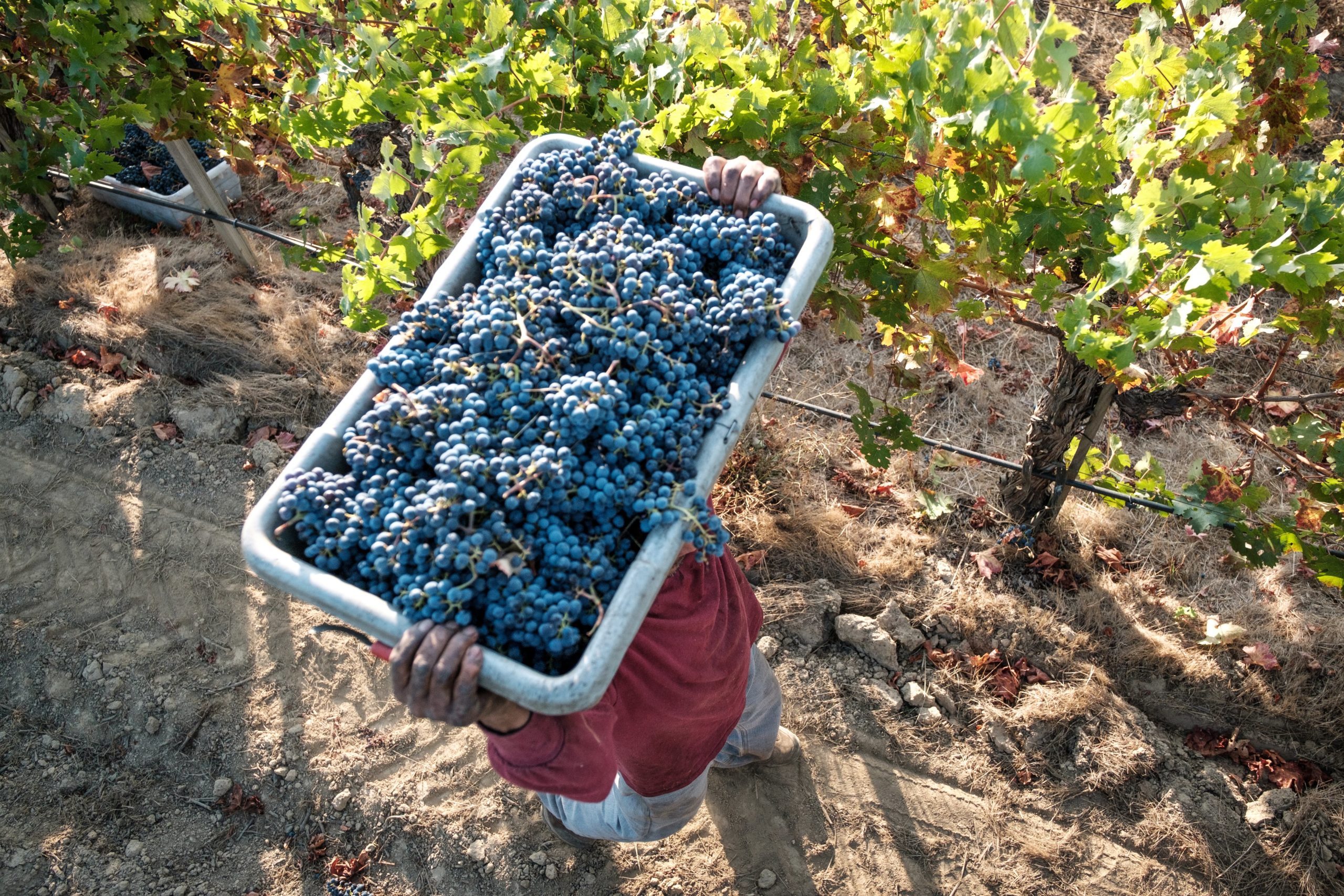
The first grapevines were planted in the mid-1800s, leading to the establishment of the first commercial winery in 1861. The Napa Valley has since become a hub for wine tourism, attracting millions of visitors each year.
Beyond the vineyards
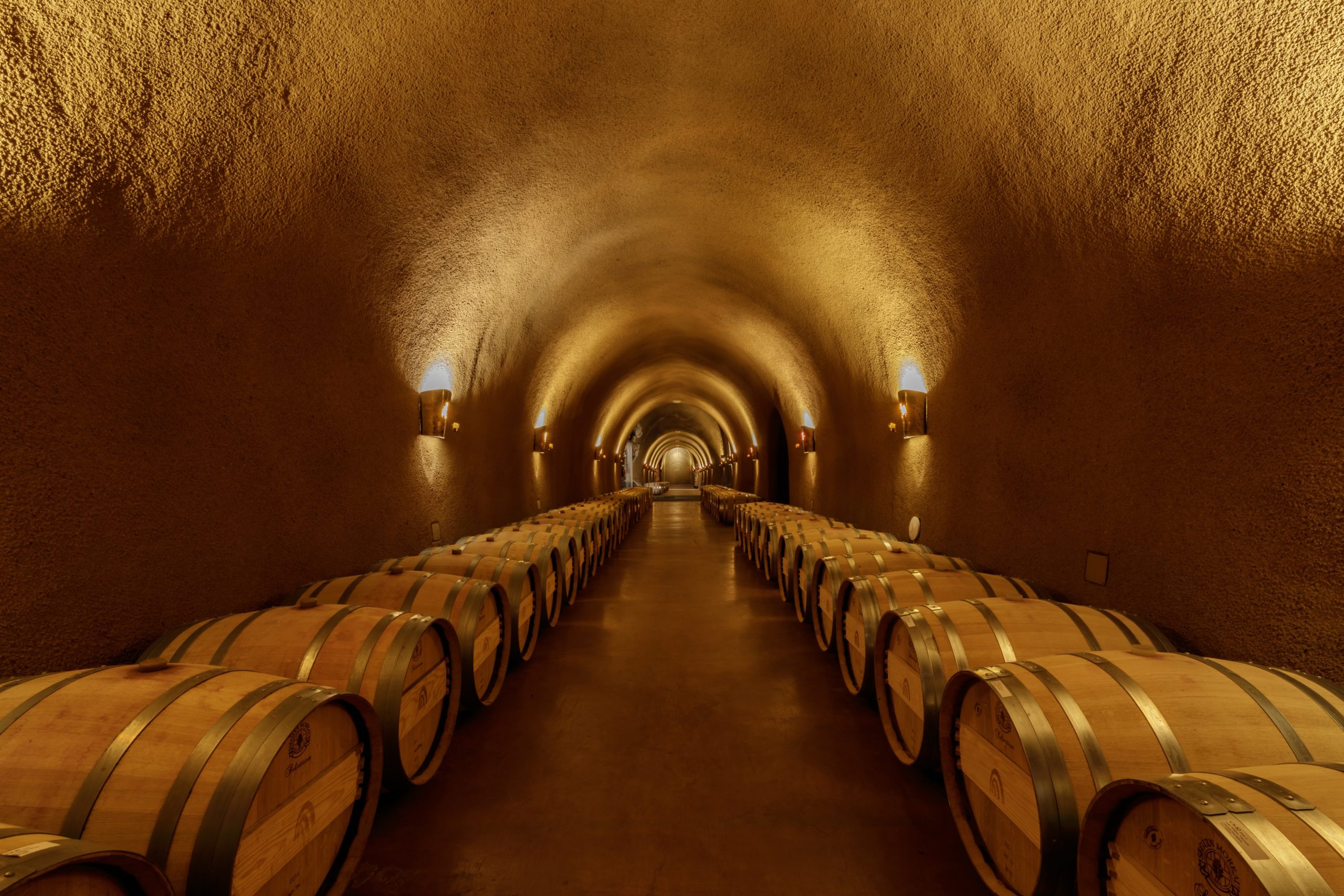
Beyond the vineyards, Napa thrives through its community of local artisans. Skilled winemakers, chefs, cheesemakers, olive oil producers, and ceramicists bring the region’s character to life, transforming local ingredients and materials into works of art. From hand-crafted barrels to small-batch culinary creations, these artisans embody Napa’s spirit of innovation and authenticity.
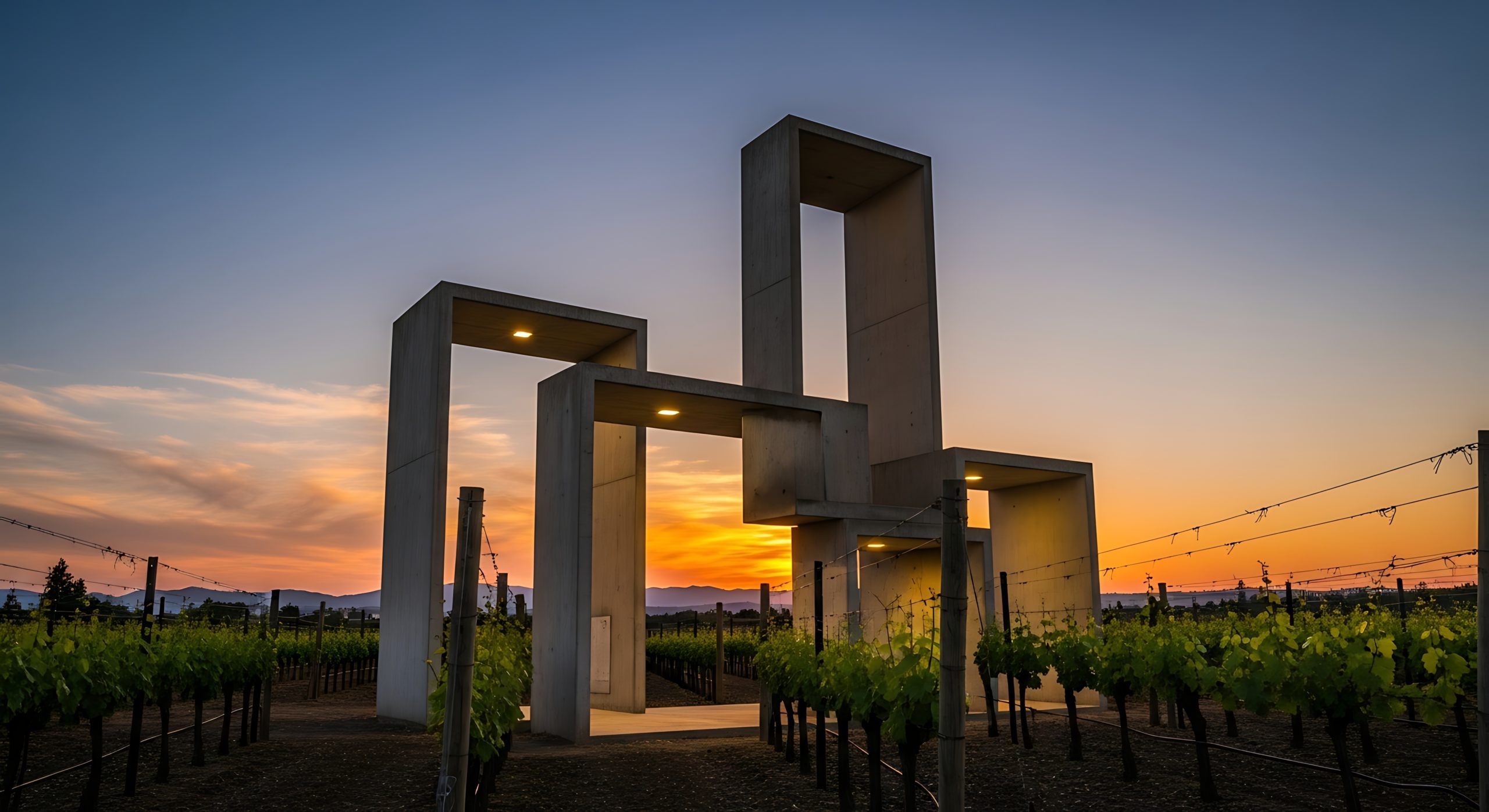
Art and culture thrive here too. From contemporary galleries to public art installations, Napa’s creative spirit is woven throughout the valley. Events like Festival Napa Valley bring together music, food, and performance in a uniquely immersive setting.
Outdoor enthusiasts will also find plenty to love, with scenic hiking, cycling routes, and breathtaking views across the valley’s rolling hills and vineyards.
So while wine may be the headline, Napa Valley offers a rich blend of cuisine, wellness, art, and outdoor adventure – making it a must-visit destination for wine lovers and history enthusiasts alike.